
Learning a sport is fun for a while and then confusing. You drill footwork one day, you do the same thing again and again, you get tired, and by the end of the week it is very hard to describe what happened. The solution is to make your practice purposeful and not a bunch of random reps, and it needs to be short so it is purposeful. As a beginner the purpose must be narrow and measurable. Don’t try to get stronger and faster and more coordinated all at once, try to get better at balance in stance and clean passing technique and safe landing and change of direction. It is the clarity that matters, not the hard work in the beginning.
The first way to practice a skill is to think in three stages: the set-up, the action, and the finish. If you are squatting and jumping, your set-up is your position and balance before moving, your action is the weight down and weight up phase, and your finish is the landing. If you are passing, your set-up is the way you hold yourself, your action is how the ball leaves your hand and your finish is where your body goes after. Spend a few minutes on just one part. Your attention is better when you focus on only one correction at a time. A good test is to do a skill for five reps with no intensity at all, then stop and see if your set-up or your action or your finish was correct.
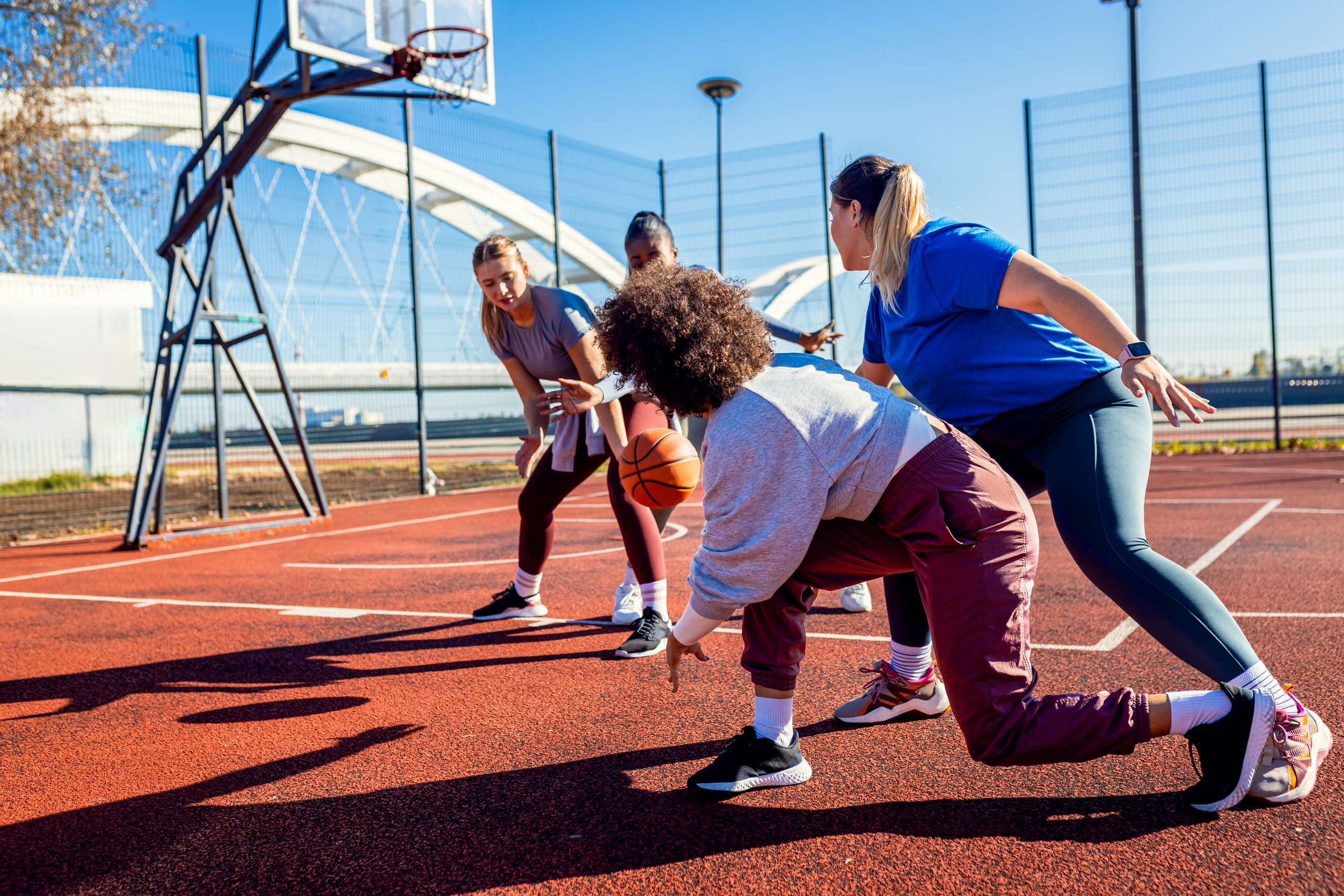
That stop matters. It turns drill time into observation time instead of exertion time. The first error in practice is doing a skill too fast. New players think a skill is getting better because there is power involved. But sometimes the speed just masks poor technique. The landing may sound heavy or knees may cave in or a pass may arrive at its target but the upper body may spiral off-balance. This isn’t a reason to abandon the drill, but to do it slower so the shape of the drill holds for the whole movement. If your squat jump form falls apart on the fourth rep, don’t keep doing ten more bad ones, just stop, slow down and aim to repeat three good ones in a row. Repetition that is sloppy counts for nothing.
The second error is switching drills too soon. It is better to repeat a simple drill for a little while than to always find a new drill. A fifteen minute plan is very reasonable. Start with three minutes that is low intensity movement that gets you used to the movements and the timing, so light movements around the feet, small shoulder circles or any other low intensity body movements that are related to the drill. Next spend six minutes on a drill to work only on your technique, but it needs to move a bit slower so that you know the difference between right and wrong. Then work four more minutes to put a drill in a more realistic way like add speed or distance or timing. Take two minutes to think, this is the best rep so far, and this is the worst rep of all, so what is one thing that is a takeaway for next time.
This is an important way to have purpose and not guessing in the next training block. You need to adjust your goal to keep moving forward. It may be that your goal is too big, too fuzzy or too exhausting. When this happens make your goal easier. You can shorten a squat jump, you can reduce range of motion or reduce the distance or remove the jump or go slow. For example a player practicing lateral movement can practice just the first step instead of the whole drill. If a player’s balance goes off in a landing drill do a drill with just the landing, not the jump.
Also you need to be precise with the feedback you receive. Saying it doesn’t feel right doesn’t mean much. Better would be my right foot lands first or my shoulders go up before the push. A recording on the side or on the front may help you find out what was good and bad and it is better if you can find the difference between your first rep and your last rep. Be clear about what is the takeaway from a session so that you can have a goal at your next session.
Keep it simple and be very specific, stand longer and more stable before moving or keep your landing silent or turn your chest forward at the finish. The next time you do your drill will always have that small goal. Small adjustments stacked on top of each other are how all athletic movement and sport skills grow. When there is a specific goal, a steady tempo and some review to fix small errors, you don’t need to have a pro level skill, you can be at a beginner level and it still means something important.